01 / Operating friction
What breaks before AI is useful
- Operators rebuild the same reports by hand from spreadsheets, CRM exports, inboxes, and notes.
- Leaders see late summaries without the exceptions, unresolved work, or source trail behind them.
- Teams lose time formatting updates instead of deciding what needs attention.
02 / Deployment pattern
How the workflow becomes operational
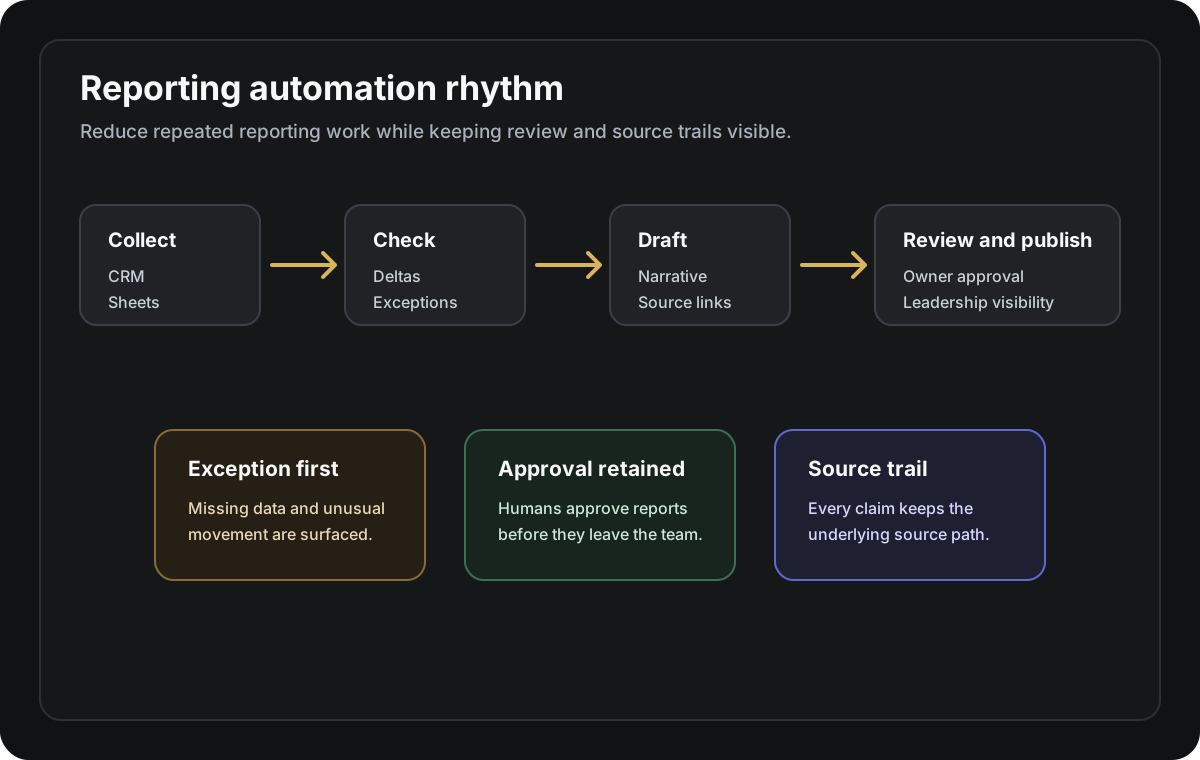
- Collect source data from the existing systems that already run the workflow.
- Check deltas, missing data, unusual movement, and unresolved items before drafting.
- Draft the report narrative with source links and exception callouts.
- Route the draft to the owner for edits, approval, or rejection.
- Publish the approved summary and store the source trail for later review.
03 / Measurement layer
What proves the workflow improved
- Manual reporting hours removed per cycle.
- Report delivery time and consistency.
- Exceptions identified before leadership review.
- Unresolved work surfaced by category.
- Adoption rate across the reporting owners.
04 / Human controls
Where judgment stays explicit
- Human approval before any report is sent to customers, leadership, or external partners.
- Source references retained for every generated summary.
- Variance thresholds that trigger review instead of confident automation.
05 / Review
Map this against one real operating problem
Bring the workflow, the current tools, and the part of the process where context gets lost. Andes Labs will define the productivity target before proposing a system.